There’s no denying that the search landscape is evolving rapidly. As someone working in content marketing for nearly a decade, I am taken aback by all the changes the industry is witnessing at the moment.
TBH, there’s no point thinking about ranking anymore.
I’ll tell you why – a brand can definitely rank at the top of SERPs and still struggle to stand out in a competitive market. The brand’s competitors might get some links from trusted sites, get covered by relevant publications, and ultimately build stronger connections.
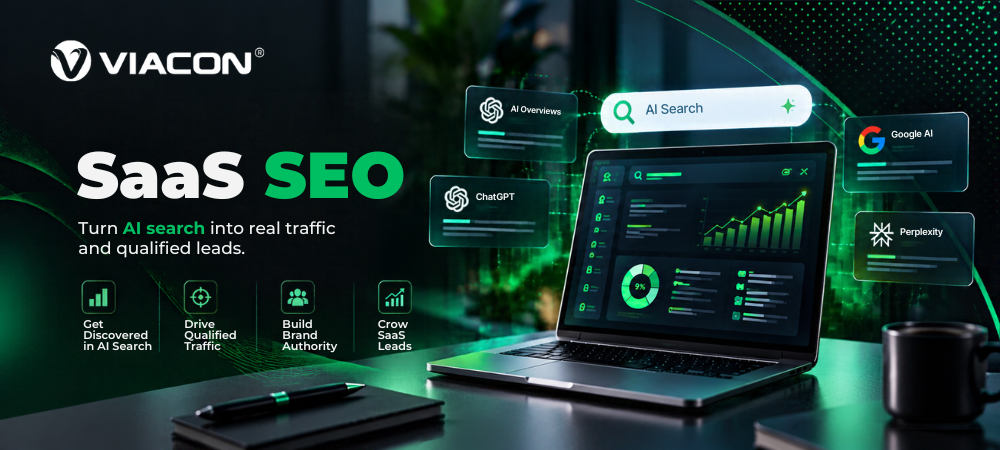
To make matters worse, AI-backed search is here to add another layer. Marketing teams now need to understand how their sites support discovery across both traditional search and AI-driven experiences.
Having said that, it’s natural that we will need a lot of time, research, and clarity to find the right opportunities.
And this is where we decided to change the game and step in to save the day!
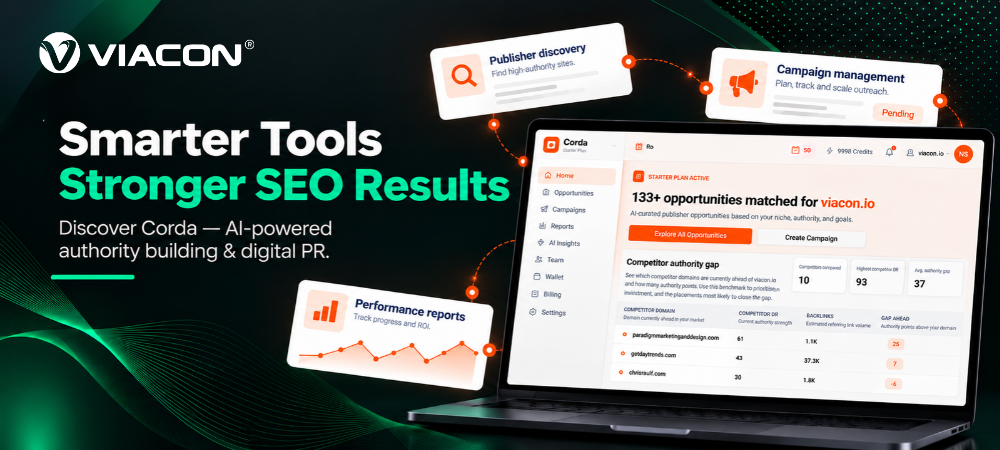
We recently launched Corda, a SaaS platform designed to help teams connect website analysis, competitor research, publisher discovery, and authority-building campaign planning.
Honestly, the idea came from a problem that is familiar to most SEO professionals, including us.
Most of us are sitting on way too much data. But turning this data into something actionable usually involves hours of tedious work. And most of the time, we give up. And this is where Corda steps in to save the day.
Our AI-powered authority intelligence is here to help brands get found, boost AI visibility, drive leads, and push conversions. And not just brands; SEO agencies can equally benefit from Corda, especially the ones struggling with too many frustrating deadlines.
In this context, today I’ll break down Corda, highlighting how this brand-new SaaS platform can create campaigns, build brand authority, and track backlink reports.
Stay tuned.
Why Search Visibility Is Becoming More Complicated
As someone who has seen the impact of constant Google updates on your site, I can tell you recovery is difficult.
The issue with recovery is the time you need. A couple of years ago, a core update hit my website, Search Engine Magazine, hard. Because of the site’s guest-post-heavy history, recovery seemed impossible.
But I couldn’t accept the fact and decided to recover the site. It took me nine months to move the needle. In 2 years, I took the site from 0 to 35K organic traffic.
Coming back to search complications, there’s no point in doing the same things that made sense a few years ago.
Of course, you still need to improve the site’s technical health, create helpful content, get backlinks, and track your keyword rankings.
But you can’t ignore that how people discover information is changing. For instance, people can discover a brand through multiple avenues such as:
- Google search
- Recommendation from an AI tool
- Industry publication
- Social media
That obviously gives the marketing team more questions to think about.
- Which competitors have earned attention from relevant publishers?
- Which opportunities deserve the team’s time and budget?
- Are there important topics where the brand has less coverage?
Frankly, no single score could answer all three questions.
Now consider how DA, DR, keyword rankings, and organic traffic provide useful information. But each measures something different.
A strong score from a third-party SEO tool does not automatically mean a website has earned relevant editorial coverage or will appear in an AI-generated answer.
Teams need to look at the bigger picture before deciding what to do next.
This is where authority research becomes useful. It helps marketers look beyond individual metrics and consider the quality, relevance, and context of the signals surrounding a website.
The Problem With Traditional Link-Building Workflows:
Link-building has always felt like a simple activity. But it’s only simple on paper – every time someone has to build links for multiple clients and campaigns, the complications begin to appear.
For starters, you need to research your client’s site and its competitors. Once you complete the research, you need to find potential publishers, check relevance, and compare all potential opportunities.
And you are still not done.
Once you know which opportunities best serve you, the real deal begins – you have to plan the outreach, create the content, follow up on all placements, and track results.
Just writing it down makes me exhausted because every step is time-consuming. Also, the whole process becomes really difficult because you have to depend on different tools for different pieces of information.
I’ll give you an example for better understanding.
For instance, you are working in an SEO agency, and you have to prepare a campaign for a client in financial services. Now, you spend hours finding which competitors have earned links from relevant publications.
Your research is useful. But you still need to investigate your website, check their suitability, look for available opportunities, and build a campaign around the findings.
So, realistically, someone needs to turn your findings into an actionable plan. Also, they need to consider the client budget, target audience, editorial requirements, and campaign priorities.
Now, when all this data sits across multiple spreadsheets, email threads, and reports, your team ends up spending more time organizing work.
And that creates real costs for different agencies. The time your team spends running after information and updating different reports is time they can’t spend on improving content, fine-tuning existing strategies, and helping clients.
Corda was built to address this gap between research and execution.
What Is Corda?
Corda is an AI-powered authority-building platform tailored for modern search.
The platform combines website analysis, competitor insights, publisher discovery, campaign suggestions, campaign planning, and reporting.
Rather than treating these as unrelated tasks, Corda connects them within a broader workflow.
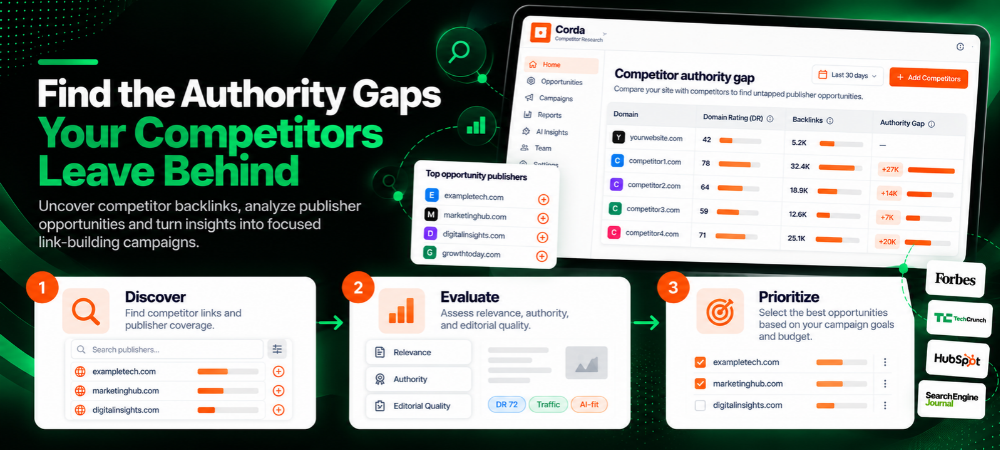
In this context, here is how that can help a marketing team approach its work.
1. Understand The Website Before Planning A Campaign:
Of course, most campaigns begin with a website’s top needs – and not some random list of available backlinks.
Frankly, your team needs to understand the current position of the backlinks, review all the relevant site information, and find the areas that need attention.
This obviously makes things better in terms of taking a call on what the campaign must achieve. Also, the right priorities always vary from website to website.
While one brand needs stronger coverage around a specific subject, another might need to check out why competitors are getting links from publications that hardly discuss its own site.
Moreover, website analysis will help teams ask the right questions before taking a call on the budget.
2. Investigate Competitors And Find Gaps:
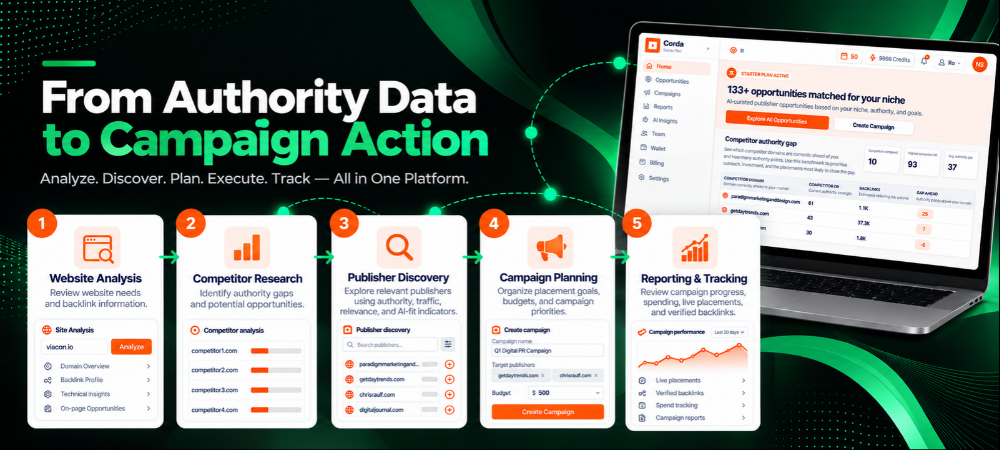
With Corda’s competitor analysis, you can unlock opportunities that you were missing out on previously.
I actually went back to the backlink reports of our clients from months ago, and I was shocked to find out the number of opportunities that we missed.
For instance, I saw several competing brands had earned coverage from relevant publications in a particular industry. TBH, this pattern itself could have helped me with the SEO strategy at that point if I had Corda.
Having said that, duplicating the backlinks of a competitor is never really a good strategy.
While some links might come from irrelevant articles, websites that are not in the client’s niche, and outdated pages, others might reflect campaigns or relationships that you simply cannot repeat.
Here, the important question that you need to ask is why a specific opportunity deserves your attention.
Corda brings competitor insights into the authority-building workflow, helping teams investigate gaps and consider where their next campaign might focus.
3. Find Publishers That Fit The Campaign:
Frankly, a large publisher inventory is valuable only when a team can find the right websites within it.
Of course, relevance matters. But so do audience fit, campaign requirements, subject coverage, and most importantly, editorial standards.
Moreover, a site with an excellent authority score can still be a bad choice for a client in a different niche.
This is where Corda can really make things better, thanks to the platform’s publisher discovery feature for helping teams find potential sites for their campaigns.
This in turn offers marketing professionals more clarity on how to evaluate opportunities. Instead of looking at every site as a prospect, they can evaluate potential publishers in the context of their campaign goals.
Having said that, I can’t ignore that the final selection still needs human review. A good publisher should make sense for the client, the topic, and the intended audience.
4. Turn Research Into A Campaign Plan:
Good research always creates value. And we all know that, but it only happens when there’s a team that knows how to use all the research to get a desired outcome.
For starters, when you review a website, its competitors, and potential publishers, you will have to figure out which opportunities you should pursue.
Also, you need to consider your timeline, budgets, priorities, and available resources. Otherwise, how else will you manage the campaign?
With Corda, you don’t need to spend a lot of time on campaign suggestions and planning. Rather, you can help teams move from gathered information towards a more structured approach.
This, in turn, makes it easier to organize the next steps and keep campaign work connected to the original research.
In addition, you should understand that it does not remove the need for strategic decisions.
Teams still need to judge whether a proposed campaign suits their clients and whether the expected effort makes sense.
5. Keep Campaign Information Together
Campaign management does not stop when a placement goes live.
Teams need to review activity, track progress, and understand what happened during the campaign. They also need information they can use when discussing progress and next steps with clients.
Corda brings campaign management and reporting into the same broader workspace as its research and planning capabilities.
That connection can help teams spend less time gathering information from separate places. It also gives them a more organized way to review campaign activity and decide what deserves further attention.
How Corda Connects AI Search Visibility With Digital PR
Of course, digital PR and visibility on AI search are related. However, they aren’t really the same thing.
While visibility on AI search is all about figuring out how your brand will appear across AI-backed discovery experiences, digital PR leans towards earning attention via research, expertise, stories, commentaries, and relationships with the right publications.
At the end of the day, both require marketing professionals to think deeply about what information is available online and the credible sources that people tend to trust.
TBH, digital PR can help a brand earn credible coverage and build recognition around its expertise. Also, useful research, original data, strong commentary, and relevant content can give publishers a reason to mention a business.
Moreover, those mentions may create opportunities for earning backlinks as well. However, not every mention includes a link.
Plus, a backlink does not guarantee greater visibility in an AI-generated answer. This is precisely why campaign planning is so much more than just preparing a list of high-authority websites.
As a marketing professional for nearly a decade, I can tell you it is absolutely essential that your marketing team figures out:
- the relevant publications in your industry
- the subjects covered by those publications,
- and whether a potential story offers something useful to their readers.
Corda supports the research and planning behind this work by bringing website analysis, competitor insights, and publisher discovery together.
For teams that manage both SEO and digital PR, this connection can help them investigate opportunities with a clearer view of their broader authority-building goals.
What Viacon’s Launch Of Corda Means For SEO Teams
Corda’s launch honestly reflects a very real problem in modern search.
It’s real how teams collect so much data – publisher, competitor, and website data – but still struggle when it comes to turning the same information into clear decisions.
In that case, the challenge is never about finding more opportunities. Rather, it is more about deciding which opportunities truly deserve your attention, organizing all the work, and ultimately understanding what really happened later.
Corda brings together different parts of that process into one seamless workspace. Moreover, it connects competitor research and website analysis with campaign planning, publisher discovery, and reporting.
Also, for SEO teams, this does offer a much more connected way to build authority.
For agencies, it ends up creating the right kind of opportunity to organize campaign work – and that too around a clear, seamless process instead of entirely depending on manual research and too many spreadsheets.
The wider search landscape, on the other hand, will keep evolving. And ranking on Google’s SERPs will continue to be important, while AI-backed discovery will end up giving marketing professionals more questions to investigate.
TBH, brands will have to understand their sites, competitors, and the sources that impact conversations in their niches. Also, they will have to make the right decisions about where they invest their time and money.
With Corda, Viacon is bringing those activities closer together.
The aim is simple: help marketing teams move from authority data to better-informed campaign decisions, with AI supporting the process and people remaining in control.
Who Can Use Corda?
Corda is designed for SEO agencies, in-house marketing teams, and growing brands that want a more structured approach to authority research and campaign planning.
- SEO agencies can use the platform to organize competitor research, explore publisher opportunities, and plan link-building campaigns across client accounts.
- In-house marketing teams can use website and competitor insights to investigate gaps and decide where authority-building activity may support their SEO priorities.
- Growing brands can use publisher discovery and campaign planning to evaluate opportunities without building every part of the process from scratch.
The platform may be especially relevant to teams that currently manage research, publisher lists, campaign activity, and reporting across several disconnected tools.
Its suitability will depend on each team’s workflow and requirements. Before adopting any platform, businesses should check the specific capabilities they need and how those capabilities fit their existing processes.
Can Building Search Authority Improve AI Search Visibility?
This is an important question for brands investing in SEO and GEO today.
AI-powered search tools have changed how some people research products, compare businesses, and look for recommendations. As a result, marketing teams increasingly want to understand how their brands appear in these experiences.
However, no platform can promise AI search visibility simply because a website acquires more backlinks. Also, you won’t find a bunch of AI search visibility tools to help you out.
Different search systems may use different signals and retrieval methods. Their results can also change based on the query, context, and information available to them.
Brands should therefore avoid treating any single authority metric as proof of future visibility.
A more practical approach is to build a website that offers useful information, supports its claims, covers relevant subjects, and earns attention from credible sources. Teams should also examine how their content performs and whether their wider marketing efforts reach the right audience.
Corda helps teams investigate website and competitor data, identify potential publisher opportunities, and plan authority-building campaigns. Those activities can support a broader search strategy, but they do not guarantee rankings, AI citations, or recommendations.
For marketers, the distinction matters. The goal is to make better decisions about the work they can control, then measure the results without assuming that one metric explains everything.
Why AI Should Support SEO Decisions, Not Replace Them
Automation can help marketing teams handle repetitive tasks. It can also help them organize information and identify opportunities worth investigating.
But SEO decisions still require context.
A publisher might look promising based on its metrics but cover subjects unrelated to the client’s business. A competitor’s backlink might appear valuable in a report but come from a page with little relevance. A suggested campaign might fit the research but exceed the client’s budget.
A human needs to consider these details before deciding what to do.
Corda uses AI-assisted analysis and campaign suggestions to support the planning process. Marketing teams remain responsible for reviewing those suggestions and deciding which opportunities fit their goals.
This approach is particularly useful for agencies managing multiple clients. Each client has different commercial priorities, audiences, budgets, and expectations. A repeatable workflow can help organize the work, but the strategy still needs to reflect the individual business.
AI can help teams work through information. It should not make them stop questioning that information.