Customers used to search “plumbers near me,” scan a few listings, and call two or three. That comparison shopping is fading. More people now ask an AI assistant which plumber (or dentist, lawyer, or HVAC tech) to call and the assistant often names one or two businesses directly.
Traditional local SEO still matters: a solid Google Business Profile, reviews, and location pages help. But AI systems like ChatGPT, Gemini, and Google’s AI Overviews don’t just rank results. They synthesize answers based on evidence they can verify across sources. If that evidence is missing, outdated, or contradictory, the business is simply skipped regardless of how good the service actually is.
Some businesses with modest rankings now get recommended more often than map-pack leaders because their information is complete and consistent everywhere it appears.
What AI Systems Check Before Recommending A Business?
Across major AI tools, four signals carry the most weight:
- Consistency Across Every Listing: Address, phone, hours, and services must match on your website, Google Business Profile, Yelp, Apple Maps, Bing Places, and other directories. Even small differences (a missing suite number, different hours) create unresolved conflicts. AI models avoid stating what they cannot confirm.
- Structured, Machine-readable Data: LocalBusiness, Service, and FAQPage schema give AI a clear, unambiguous read on what you offer, where, and for whom. Facts buried in paragraphs are easier to miss or misread.
- Specific Answers To Real Questions: Generic claims like “quality service you can trust” carry almost no weight. Pages that name accepted insurance plans, actual same-day repair costs, or exact evening hours answer the precise questions customers ask AI.
- Independent Validation: Reviews, local press, and directory listings act as a second opinion. A business with zero outside mentions looks unverifiable even if its own site is accurate.
How ChatGPT (And Similar Tools) Decide?
These systems weigh how consistent and verifiable a business’s information is across its website, Google Business Profile, reviews, and independent coverage. Accurate, matching details everywhere raise the odds of being named. Strong marketing language with sparse or conflicting evidence elsewhere lowers them.
Fix The Data Foundation First
Before rewriting content, audit the raw data AI systems actually pull from.
- Pull every major listing (Google Business Profile, Yelp, Apple Maps, Bing Places, industry directories).
- Compare name, address, phone, hours, and categories against your website line by line.
- Ensure LocalBusiness schema appears on every location page (not just the homepage). Multi-location businesses need it on each location page.
- Make sure booking widgets, CRMs, and any tool that shows hours or availability pull from the same source of truth as your website and Google listing.
Most businesses find more inconsistencies than expected, even after years of traditional local SEO.
Write Content That Answers What Customers Actually Ask AI
Generic location pages built around a keyword and boilerplate do not survive AI-era queries. People ask specific combinations: “family lawyer in Chicago who handles custody cases and offers evening consultations.”
Pair real, verified details with context. Name the insurance plans you accept. State the actual evening and weekend hours. Explain what a same-day repair typically costs. Specificity is what AI systems can extract and trust.
Location pages still matter more than before. AI models need a clear source to pull from and cite. A thin or generic page gives them nothing usable. A specific, well-structured one becomes the source of the answer they deliver.
Long-form guides that explain the reasoning behind a decision (not just list services) also get pulled in because they demonstrate expertise.
Reviews And Third-Party Signals Matter As Evidence
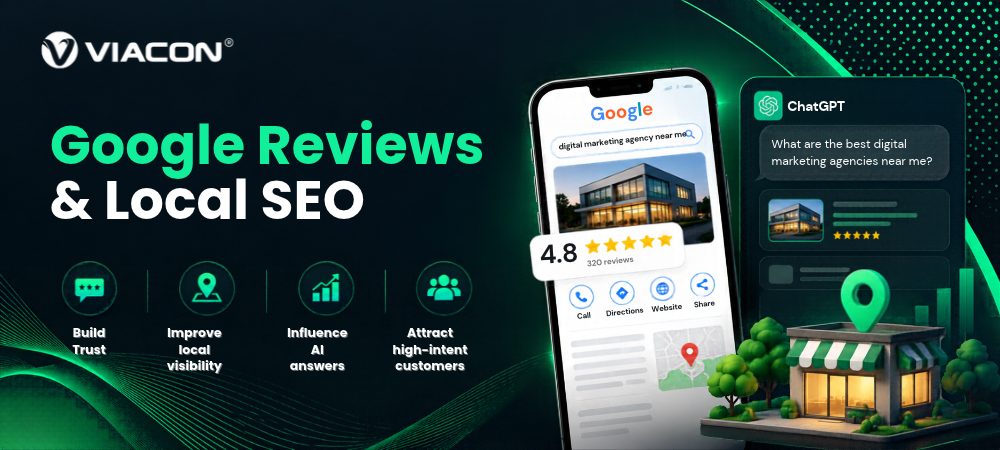
Reviews are no longer just about star rating and volume. AI systems scan the text for the same specifics your content should contain: wait times, staff names, pricing, and whether website claims match real experiences.
A pattern of reviews mentioning “same-day appointment” does more to confirm that claim than the claim sitting on your homepage. Respond to reviews, especially those with factual errors. A public correction becomes part of the record AI can read. Ignoring incorrect hours leaves the error uncontested.
Local press coverage and industry directories work the same way: as independent confirmation of what you say about yourself.
How To Tell If It’s Working
There is no single “AI visibility” dashboard yet, but practical tracking exists:
- Regularly run the specific customer questions you care about through ChatGPT, Gemini, and Google AI Overviews. Note whether your business appears and what is said about it.
- In Google Analytics 4, watch the AI-referred traffic channel. This shows visits arriving from AI assistants.
- Track conversion rates for that segment separately. These visitors often arrive with higher intent because the AI has already narrowed the options.
Corrected data usually begins reflecting in AI systems within two to six weeks, though third-party directory updates can take longer. Structured data and Google Business Profile changes tend to surface fastest.
Where To Start This Quarter
Prioritize in this order:
- Fix data conflicts across your top five listings.
- Add or repair LocalBusiness schema on every location page.
- Rewrite your three weakest location pages with specific, verified answers to real customer questions.
Reviews and ongoing measurement can follow once the foundation is solid.
Businesses with dozens or hundreds of locations rarely have the bandwidth to maintain this manually against AI re-crawl cycles. In those cases, pairing entity and schema cleanup with a broader authority-building plan closes the gap faster.
The businesses that get recommended by AI going forward will not be the loudest. They will be the ones whose information simply holds up under scrutiny everywhere a machine looks.